

A potato looks done the second it’s out of the dirt… but it isn’t. That tuber is still breathing, still holding nearly all the water it grew with, and how you bag it for transportation or sale decides whether it shows up still firm or soft and sprouted.
We’ll start with the potato, because the bag is only one part of storing and moving the crop, and you can’t choose it well until you know what you’re protecting.
Key Takeaways
- A potato keeps breathing after harvest, so airflow and temperature do as much work as the potato bag in which they are stored.
- Bruised or greened potatoes lose value quickly, and the wrong bag makes both worse.
- Mesh and burlap pages breathe, paper blocks light, sealed poly traps moisture. Different bags, different jobs.
- Match the bag to who’s buying. A 5 lb retail pack and a 50 lb wholesale potato sack aren’t the same animal.
- A cheap bag isn’t cheap if it costs you shrinkage or a rejected load.
Before You Choose the Bag, Understand the Potato
The potato wasn’t always a storage crop. It started wild in the Andes, where growers kept tubers through winter long before refrigeration. So it wants to be stored because it’s been bred that way! It comes out of the ground alive, roughly 80% water, still breathing and giving off heat. Pile fresh ones too tightly with no air moving and that heat has nowhere to go, which begets rot in your potatoes.
Four things go wrong in storage:
- Bruising. Blackspot inside the potato from rough handling. You won’t see it until it’s cut open, but your buyer will.
- Sprouting. Warmth and time bring it on; sprouted potatoes go soft and look old on a shelf.
- Greening. Light turns the skin green and builds solanine, which is bitter and mildly toxic. Storage light does it the same as field sun.
- Drying out and rot. Too dry and it shrivels; too wet with no airflow and it rots.
These needs can compete when it comes to potato bags. The potato wants humidity so it doesn’t shrink, air so it doesn’t rot, and dark so it doesn’t green. No single bag does all three perfectly, which is why there’s more than one kind of bag for potatoes that we sell.
Matching the Bag to the Stage
At harvest the potato comes off the digger warm and bruises easily just if you look at it wrong, so you want something open that vents the heat: mesh or woven, nothing sealed. Plenty of growers skip bagging here and run loose potatoes into bins, then bag them later.
Curing is the step people rush and then pay for later. Hold the potato around 50 to 60°F at high humidity for a week or two and it heals its own nicks with fresh skin. Whatever holds them through storage has to breathe and stay dark.
Loading a truck, the bag’s job is muscle: carry the rated weight, take a beating on the dock without tearing, stack without folding. Vents still help, since the crop keeps throwing off heat on a long haul.
Mesh Potato Bags: Airflow and Visibility
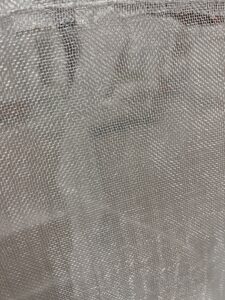
Two things make mesh potato bags the default for retail spuds: the potatoes breathe and the shopper can see them. The open netting lets heat and moisture out and stops the condensation that turns a good bag slimy. Our mesh produce bags come in the sizes and colors grocery buyers look for, and they suit potatoes, onions, and other root crops. Clear poly bags are fine for a quick retail display, but they don’t breathe super well, so don’t ask them to hold a crop for too long.

Burlap Potato Bags and Potato Sacks: Traditional, Breathable, and Tough
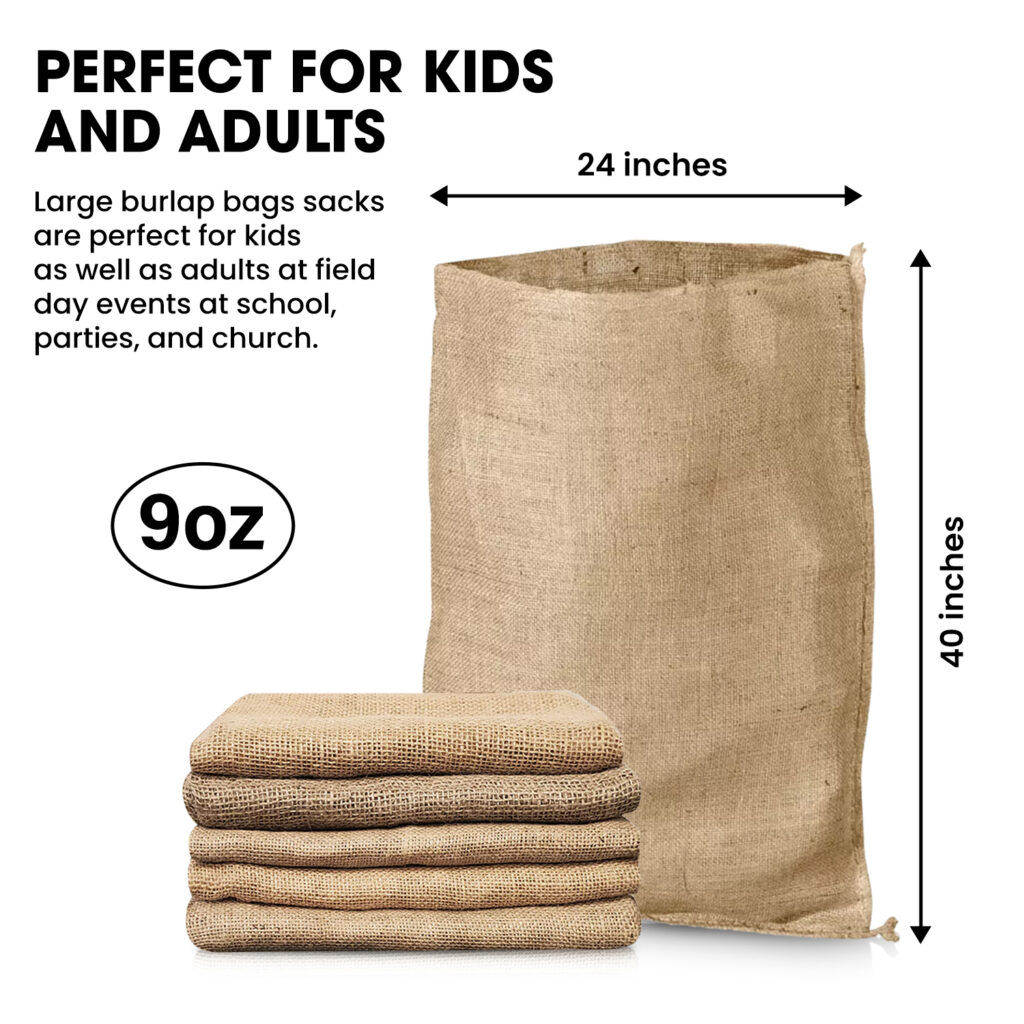
Burlap was moving potatoes long before plastic, and growers still reach for it because it works. The jute breathes, and a burlap sack takes handling that would hole something lighter. It looks the part at a farm stand too, which counts when you sell on presentation. It runs heavier and pricier than poly, but for premium or heritage varieties it’s worth it. Our burlap bags page and guide to burlap potato bags get into sizing and reinforcement.
Looking for large potato sacks for races? We’ve got potato sack race bags, too…
Paper Potato Bags: Built to Block Light
If greening is your headache, paper fixes it better than anything. Kraft paper is solid, so no light reaches the potato, which is what you want when a bag sits under store lights for days. It breathes alright with vent holes or a mesh window, and prints nicely if you want your name on it.
The weak spot is strength. Plain paper gives up the second it gets wet, so straight kraft paper bags mostly show up in the 5 and 10 lb retail range. For anything heavier, back the paper with a weave: paper-poly bags bond a paper face onto a woven polypropylene layer, so the weave carries the load while the paper blocks the light. That’s how you get a 50 lb paper-faced bag that won’t come apart on the dock.
Woven Bags for Heavier Wholesale Loads
Once you’re selling by the pallet, the bag has to get tougher. Woven polypropylene is what most growers run for 25 and 50 lb wholesale: holds the weight, doesn’t tear easy, stacks well, and you can still get it vented. For packers, wholesalers, and distributors, polywoven bags are the practical pick. Bigger than that and bulk bags and FIBC totes move hundreds or thousands of pounds in one go.
Common Potato Bag Sizes
Pick the size around your buyer.
- 5 and 10 lb: retail, almost always mesh or paper, made to sit on a grocery or farm-market shelf.
- 25 lb: the in-between size for restaurants and smaller wholesale orders, where you start wanting woven.
- 50 lb and up: the wholesale workhorse, usually woven poly built to stack and ship, with paper-poly in the mix when blocking light is the priority.
If you’re hunting wholesale potato bags near you, match the size to where it’s going first and the rest of the potato packaging call gets easier.
Questions Potato Growers Should Ask Before Ordering
- Who’s buying, and what pack do they expect?
- What stage am I bagging for: field, storage, or shipping? One bag rarely does all three well.
- Will they sit in the bag, or am I bagging to order? Sitting means airflow and dark.
- What’s the bag really going through: drops, stacking, a long haul?
- What’s this costing me per potato that lands, after shrink and any loads that come back?
Get the Bag Right and the Potato Does the Rest…Get a Quote!
None of this gets complicated once you remember the potato is alive in the bag. Give it air, keep it dark, don’t beat it up, and match the bag to the job: mesh, paper kraft bags, or burlap for retail and storage, woven poly for wholesale weight, bulk for the big loads.
St. Boniface Bag Co. has kept growers, packers, and distributors across Canada in the right bags since 1952. Tell us your crop, volume, and who you’re selling to, and we’ll help you get it right the first time. Grab a quote or browse our wholesale bag range in its entirety to see more of what we do.