

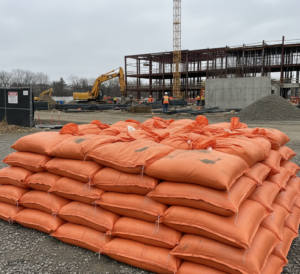
When people shop for sandbags, they often picture a typical orange sandbag doing one simple job.
In reality, sandbags offer a range of performance capabilities depending on how long they’re exposed to sun, water, and wet conditions. Long term flood control, erosion control, and construction projects subject to all-day every-day sun place far more stress on sand bags than short-term emergency use.
If you’re building flood barriers, stacking sandbags into sandbag walls, or using them on construction sites for erosion prevention, durability is top of mind.
But in some cases, biodegradable sandbags, generally burlap sandbags, are the right choice.
What UV-Treated Sandbags Are Made Of
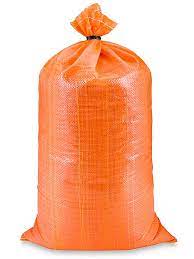
UV-treated sandbags are typically made from woven polypropylene sandbags or woven PP sandbags, a type of synthetic material engineered to withstand light exposure for long periods. These polypropylene sandbags include UV resistance additives that slow breakdown when exposed to direct sunlight and temperatures.
Because of this construction, heavy duty sandbags made from woven polypropylene can withstand rough handling, water pressure, and repeated exposure to wet and sunny conditions. They’re commonly referred to as military grade sandbags or heavy duty applications sandbags.
Polypropylene sandbags are widely used for flood control, erosion prevention, and building flood barriers that must hold sand securely for weeks or months. They can be used to control water flow, diverting water away from structures while acting as a reliable barrier.
Why UV Resistance Matters Outdoors
Without UV resistance, plastic bags and other synthetic materials degrade quickly in sunlight. A standard sandbag that lacks UV treatment may crack, tear, or lose its ability to hold sand after even a few months of being outdoors.
How Biodegradable Sandbags Are Different
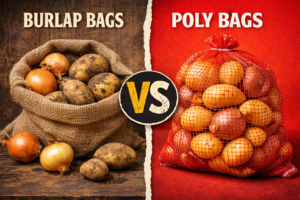
Biodegradable sandbags are made from natural fibers and other materials such as jute or hessian. These are sometimes referred to as traditional sandbags and are valued for being eco friendly and a sustainable solution.
They break down over time safely!
Burlap sandbags and burlap bags are completely biodegradable, meaning they naturally break down over time when exposed to moisture, soil erosion, and microbial activity. This makes biodegradable sandbags attractive in environmentally sensitive areas.
However, biodegradable sandbags are not ideal for long term flood control. Prolonged exposure to water flow, wet conditions, and direct sunlight causes these sandbags to weaken, tear, and lose their ability to function as a protective barrier.
Side-by-Side Comparison for Long-Term Performance
| Feature | UV-Treated Sandbags | Biodegradable Sandbags |
|---|---|---|
| Primary material | Woven polypropylene | Burlap bags, hessian bags, jute sandbags |
| UV resistance | High | Low |
| Typical lifespan outdoors | Months to years | Months |
| Reuse | Reused multiple times | Limited reuse |
| Environmental impact | Moderate | Eco friendly, completely biodegradable |
| Best use | Long term flood control, erosion control, construction projects | Temporary flood control, short-term erosion prevention |
Which Sandbags Last the Longest?
If longevity is the priority, polypropylene sandbags last the longest. UV-treated woven polypropylene sandbags are engineered to withstand harsh weather conditions, water pressure, and rough handling far better than a typical sandbag made from natural fibers.
When Biodegradable Sandbags Make Sense
Biodegradable sandbags still play an important role in water control and erosion prevention when used appropriately. They can be useful for:
- Immediate protection during natural disasters for short-term flood barriers
- For erosion control where it’s fine if they disappear over time
- Temporary barricades and temporary barriers
- Areas where removal is difficult or undesirable
- Projects focused on reducing environmental impact
- For landscaping projects where they may be buried indefinitely
- For oil & gas or resources projects where they may need to be buried
In these scenarios, burlap sandbags and hessian sandbags can serve their temporary purpose while naturally breaking down over time.
Choosing the Right Fill Material
No matter which sandbags you choose, performance also depends on what they’re filled with. Sandbags filled with sand provide the best balance of weight, flexibility, and water resistance. Fill material such as soil or gravel can be used but will affect how well the sandbags hold sand and stack sandbags into stable structures.
Sand is ideal when the bags need to “mold” to each other given the small grains, and it is best for holding back water.
Gravel is great for filtration.
Making sandbags properly and stacking them correctly improves flood prevention and erosion prevention regardless of material choice.
Get The Sandbags You Need At A Price You’ll Like – Call St. Boniface
There is no best sandbag option for every situation.
At St. Boniface Bag Co., we offer both UV-treated and biodegradable sandbags sold in bulk so you can choose the right solution for your needs. Give us a call or email to learn more and get up-to-date bulk bag pricing. We are your Canadian whoilesale bag supplier.